• Menu
  • Skip to right header navigation
  • Skip to main content
  • Skip to secondary navigation
Cindy Klement Published Author Speaker in Ann Arbor Michigan Author of Your bodys environmental chemical burden

Cindy Klement - Empowering Audiences to Minimize Toxin Exposure

Author of "Your Body's Environmental Chemical Burden"

  • Speaking
  • Book
  • Services
  • Cindy’s Story
  • Blog
  • Contact

Mobile Menu

  • Speaking
  • Book
  • Services
  • Cindy’s Story
  • Blog
  • Contact

Uncategorized

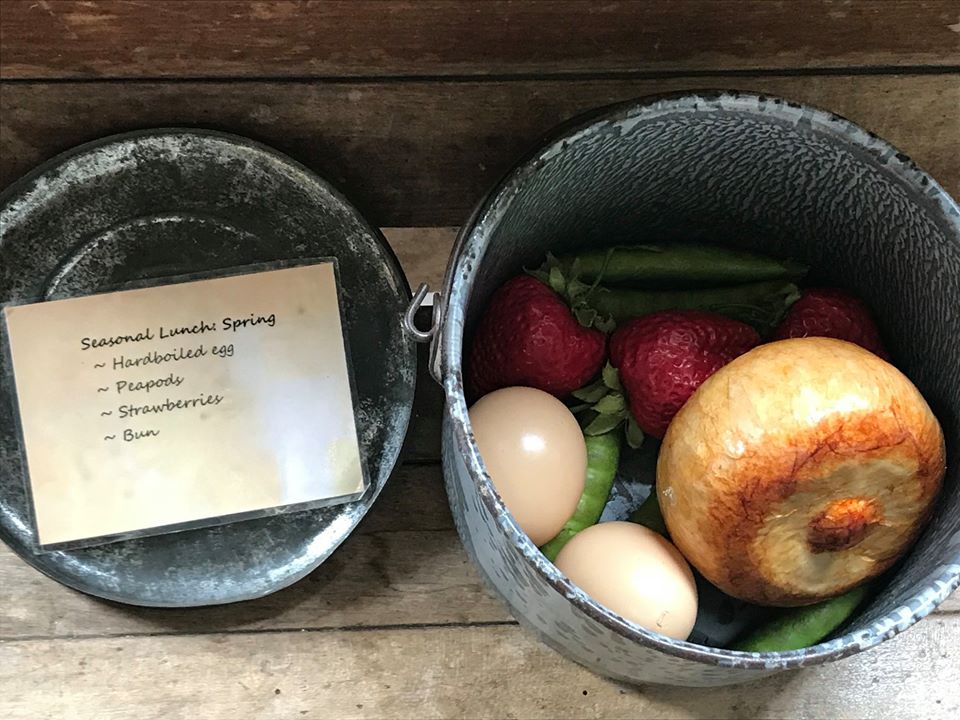
Lunch From Home, Circa 1850s

January 17, 2020 //  by Cindy//  Leave a Comment

What’s For Lunch?

Think about it. Before processed foods became available no one thought to consider whether or not food was safe for consumption. They had no concerns about whether or not produce was sprayed with pesticides or if wheat used to make bread was genetically modified. There was just no question about whether or not food was organic. In addition, food wasn’t wrapped in plastic and it wasn’t microwaved. And no one wore toxic food preparation gloves!

Sound Advice From 100 Years Ago.

An “American Woman’s Cook Book” first published in 1927 stated that “the purpose of food is to satisfy hunger and to give pleasure. After hunger is satisfied, more food is a hindrance to health.” It was also suggested that every meal should be planned to meet first the needs of the youngest and weakest member of the family. Additionally, foods that are good for children are equally good for adults, yet foods considered good for adults may, in fact, be very bad for children. Wow. How far we have come from these wise words.

The Good Old Food Days.

Nearly 64% of the labor force in 1850 were farmers. That’s about 7.6 million farmworkers and families owning farms who tended to eat quite well with a steady diet of vegetables, meat and milk – foods commonly available to them. This meant children got the nutrients they needed for growth and development. However, today there are only about 2.6 million family farmworkers.

Pasture Raised, Grass Fed.

There were an estimated 20 million head of buffalo sharing the western plains with 50 million open range longhorn cattle in the 1850s. Today, pasture-raised means the cattle roamed freely but near the end of its life it was fed grain to create more of the fat marbling that makes the meat more tender. Whereas if meat comes from “grass-fed” cattle it’s a bit more tough but has less fat.

Humanely Produced And Sustainable.

Cattle living on factory farms spend their entire existence in poor living conditions while being pumped with antibiotics and growth hormones. In addition, these farms not only pollute our water and land with chemical fertilizers they also contribute to climate change.

Cleveland Clinic emphasizes searching for meat that is humanely produced and sustainable by looking for 6 or so possible labels on meat packaging: (1) Animal Welfare Approved; (2) Certified Humane; (3) Global Animal Partnership; (4) Food Alliance certified; (5) American Grassfed Association; and (6) USDA Organic.

Speaking Of Organic.

Did you ever wonder who owns organic foods? It’s not very pretty. Thanks to Professor Phil Howard at Michigan State University, you can download a high-resolution copy of the chart. If food is organic, it won’t be sprayed with Monsanto’s RoundUp chemical. But, sadly, it just got harder to avoid Monsanto.

Did you know that Monsanto owns Aunt Jemima, Betty Crocker, Capri Sun, Frito-Lay, Kellogg’s, Pepperidge Farm, Stouffer’s and Healthy Choice? And that’s just the beginning. Scroll down the article to see another 62 companies. No wonder they are so powerful. But let’s stick together and pass the word to boycott their products!

Cheese.

In Rome, New York, Jesse Williams opened the first U.S. cheese factory in 1851. He made cheese from scratch in his factory and you can bet there were no growth hormones added! Today we’re lucky to have the Cornucopia Institute’s “Weighing the Curds” scorecard to rate the quality of cottage cheese and help us to determine if brands have overly processed their cottage cheese, if the product is organic, or if it contains carrageenan. Check your brand out!

Mac And Cheese Without Toxic Chemicals Please.

While still on the topic of cheese, the Ecology Center in Ann Arbor, MI did a study on mac & cheese. Unfortunately, phthalates were found in 29 of 30 mac & cheese products tested. In fact, phthalates were sometimes found at levels more than 4x higher in the fat of the mac & cheese powder than in the fat of natural cheese.

Remember, phthalates are endocrine disruptors – meaning they can mess with the body’s hormonal balances. And who eats the most mac & cheese? Kids. Sign the petition from the Coalition for Safer Food Processing & Packaging to urge Kraft foods to KleanUpKraft.

Lastly, Gloves For Food Handling.

Maybe you use gloves during food preparation at home when handling raw meats. Or perhaps it’s mandatory that you wear them at work. HealthyStuff researched the chemicals found in gloves used by food handlers and you might be surprised at which brands scored the best (and the worst.) Check it out and find something that won’t contaminate the food you are handling, nor pass on toxic chemicals via skin absorption!
Category: Uncategorized

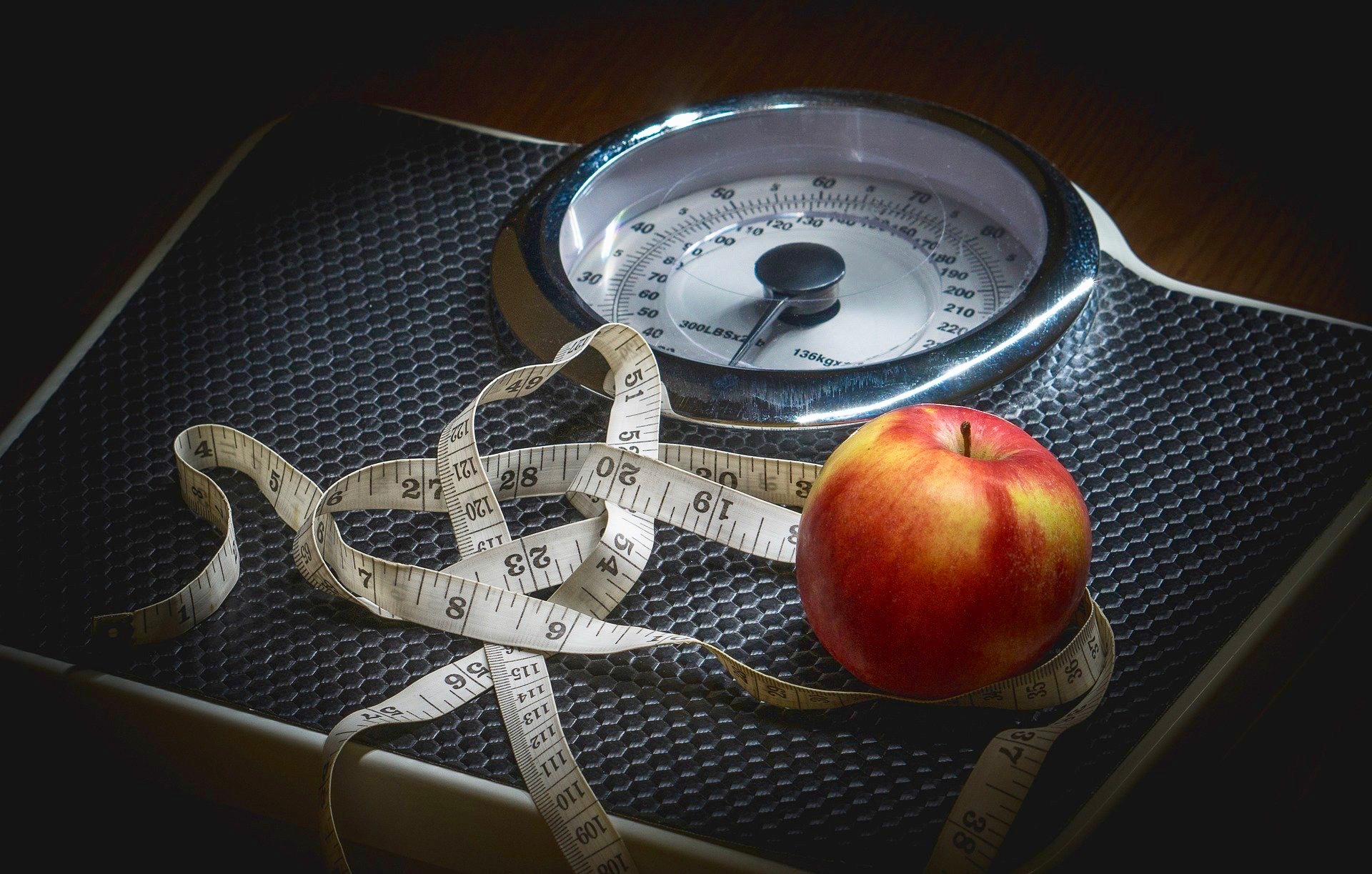
The Skinny On Obesogens

January 3, 2020 //  by Cindy//  Leave a Comment

Don’t Just Blame Fast Food.

Many people are not aware there is a group of environmental chemicals categorized as obesogens. When exposed, these chemicals can act directly on fat cells to increase their number or storage by altering mechanisms that regulate appetite, satiety and metabolic rate.

Exposure to endocrine disrupting chemicals (EDCs) does more than increase our risk of obesity. They also mess with our thyroid, our insulin and glucose levels, and our ability to conceive. Additionally, they can affect hormone levels of estrogen in both sexes as well as alter hormone levels in our response to stress.

Triclosan – One Such “EDC.”

Antimicrobial resistance is a serious threat to public health. And while the fact sheet from the World Health Organization certainly discusses the overuse of antibiotics, it doesn’t mention the contribution that a chemical found in hand sanitizers makes. That chemical? Triclosan.

The rapid rise in obesity parallels the use of triclosan, which has been shown to negatively modify the gut bacteria. Dysbiosis of the gut microbiome has attracted the attention of researchers and those in medicine due to its connection with metabolic syndrome, mood disorders, cardiovascular disease, inflammatory bowel disorders and obesity. Because of triclosan’s bio-accumulative potential, in December 2013 the FDA began to further look into its safety after finding that 76% of adults and children excrete it in their urine.

A Pre-Plastic World.

I recall my first experience with plastic in the early 1960s because everything prior to that was packaged either in paper, cardboard, metal, or glass. Meat was wrapped in plastic and even our frozen foods came in a thin white cardboard. So plastic packaging was a novelty.

I vividly recall a commercial from when I was eleven years old where a young woman dropped her shampoo in the shower and said “whoops,” because surprisingly the bottle didn’t break. It’s probably difficult to believe, but shampoo prior to this time was packaged in glass! Prell shampoo was packaged in plastic and it was a big deal.

My sister and I were playing in the bathroom to imitate the commercial. We threw the shampoo bottle into the shower and said “whoops” (of course) but to our surprise it completely shattered, and shampoo went everywhere. Plastic hadn’t been perfected yet. By adding phthalates and BPA to plastic, it became more durable. But now plastic is everywhere – we are breathing it, it’s in our water and our food, and even in our rain.

More Endocrine Disrupting Chemicals – BPA & BPS.

Ann Arbor’s Ecology Center’s Healthy Stuff program tested 207 receipts. BPA or BPS was found in 93% of those tested. Data regarding dermal absorption of BPA through the skin shows uptake between 10% and 60%. So, if you don’t opt for an electronic receipt and instead take the paper receipt, please wash your hands after handling it. Alas, just one more thing in our email account but maybe it’s time to forgo paper receipts!

We were warned that the replacement chemical for BPA wasn’t tested for safety prior to use. The concept of “innocent until proven guilty” should not apply to chemicals coming in contact with our food and beverages. Even WebMD writes that BPS may not be safer for kids. It’s pretty simple – using stainless steel containers for our daily drinking water is the best choice we can make, and there are dozens and dozens of them available for purchase. Remember, a plastic bottle takes about 450 years to decompose, so do your part!

Phthalates In Your Yoga Mat.

Maybe your New Year’s Resolution was to not only lose weight, but you also wanted to start doing yoga regularly and you’ve been told that a yoga mat will help you from slipping in the poses. Sadly, you have to be aware of the chemicals in your yoga mat – polyvinyl chloride (PVC), plasticizers and even phthalates (also an EDC.)

Thankfully, the work has been done. Check the Ecology Center’s review of the best and worst yoga mats so you can avoid additional chemical exposure while trying to do something good for your health!

Fat Shaming.

This video of comedian James Corden caught my attention. As a person who has struggled with weight management throughout his lifetime, his heartfelt message needs to be heard. And only James can bring a bit of levity to the topic of Fat Shaming. Can we please show a little more compassion with those who struggle with being overweight by considering that their weight issue might be more than fast food?


Category: Uncategorized

Sustainable And Less Toxic Fashion Choices

December 20, 2019 //  by Cindy//  3 Comments

The Apparel Industry.

According to the Natural Resources Defense Council, one of the biggest polluters on the planet is the apparel industry. Are you aware that it takes the equivalent of 700 gallons of water to produce a single cotton t-shirt? Or that there are 20,000 or so chemicals and dyes used to produce our clothing and fashion accessories, and that nearly 3 billion tons of soot are emitted into the air from textile factories in China alone?

NRDC is working with high profile designers like Stella McCartney, Anna Wintour and Diane von Furstenburg (along with major brands like H&M, the Gap and Target) to save water and energy and to cut chemical pollution as outlined in their “Clean By Design” program. Results in 2014 alone showed a 36% reduction in the use of water, a 22% reduction in energy use, and 400 tons less of chemicals entering our environment.

Fast Fashion Vs. Slow Fashion.

Ever wonder where your clothing comes from? As noted in the documentary “True Cost” not only does “fast” fashion deplete the earth’s resources but it’s able to pass on cheap clothing to consumers by leveraging slave labor. Since the tragedy years ago in Bangladesh where 2,200 garment workers were wounded and 1,100 died dozens of “slow” fashion brands are making it their mission to focus on sustainable and ethical practices that consider not only the planet but also ensuring fair wages and environmentally-safe working conditions for the people making our clothing.

Curious about who makes slow clothing? The Good Trade features a list of 35 manufacturers that boast ethical practices, and use recycled packaging and sustainable materials. Also, Good Trade offers links to both sustainable apparel options for men and for women.

The Second-Hand Or Recycled Wardrobe.

When we purchase clothing at second-hand stores we are practicing eco-friendly and sustainable shopping by helping to reclaim clothes that may otherwise end up in the landfill. And going retro is certainly popular (I wish I still had the clothes I wore in the 70s)! Here in Ann Arbor Michigan we have at least ten second-hand resale shops that I found on the internet by searching “Resale shops near me.”  There are also resale shops with vintage furniture and home design accessories.

Another option? In October of this year Actress Maggie Q launched her line of recycled fabric clothing called Qeep when she joined the activewear business.  For a list of manufacturers using recycled plastic in their fabrics (and there are many brand names listed), visit Repreve.

What About Shoes?

The same environmentally-hazardous conditions and sweatshop labor can be involved in shoemaking, as can the use of toxic chemicals. The PFAS family of chemicals are one such group used in shoe manufacturing. These chemicals are considered “forever chemicals” because they will not naturally degrade. This chemical has poisoned many of Michigan’s waters from a old shoe manufacturing facility owned by Wolverine World Wide on the west side of the state. It continues to migrate across the Michigan and is found in much of our drinking water.

The Good Trade has also compiled a list of 14 fair-trade shoe brands. But we may also want to consider vegan and cruelty shoes, as over 1 billion animals are used every year around the world to produce leather goods. Once again, The Good Trade found nine brands of shoes that were vegan and cruelty free, while still being comfortable and fashionable.

Teflon Clothing, Dyes And Other Chemicals.

If you are in need of new rain gear, listen up. According to Toxic-Free Future we want to avoid clothing made from vinyl, PVC, plastic, and PFCs or PFAS – commonly called “Teflon chemicals.” But add to the list clothing labeled “wrinkle-free,” “antimicrobial” or “stain-resistant,” as it took chemicals to make the fabric that way.

Microban is a registered trademark for the antimicrobial agent triclosan. Evidence shows that triclosan can disrupt the hormone balance in humans and cause reproductive and developmental problems (it also affects aquatic organisms). It can also be found in clothing under the other patented names Ultra-Fresh, Monolith, Batonix, Sanitized, and Amicor. Be sure and check the garmet labels, especially when purchasing socks and shoes.

Dyes are used to give fabric color but remain a growing problem in both wastewater pollution and in human exposure. These chemicals can be skin irritants and some are classified as probable human carcinogens.

Pretty & Shiny [But Toxic] Jewelry.

The Center for Environmental Health reports that some jewelry tested was nearly pure cadmium – a mineral which can cause reproductive harm or cancer with prolonged exposure. Cadmium can cause skin rashes and can accumulate in the body, damaging our bones and organs. But that’s just one chemical recently found in jewelry. Lead, chromium, mercury and arsenic were also found in over half of the 99 pieces of jewelry tested. Consider that children put necklaces and rings in their mouths – another route of exposure. You can learn more about the items taken from Claire’s, Forever 21, H&M and other retailers and study the issues with heavy metals in the body here.

Can’t thank The Good Trade enough for the work they also did in finding jewelry that is sourcing fair-mined materials while upholding traditional craft techniques and offsetting poverty through employment. Use their guide to determine sources for the safest jewelry.

By being a conscious consumer, the small actions you take can make a big difference.

Category: Uncategorized

Holiday Shopping For Safer Toys And Decorations

December 5, 2019 //  by Cindy//  Leave a Comment

Kids Put Everything In Their Mouth.

And when they do they can introduce toxic chemicals into their young developing bodies. A number of environmental contaminants are lurking about in children’s toys. While lead is still problematic, especially in toys made in China, we also need to consider that kids are being exposed to other chemicals in their toys – chemicals like BPA, phthalates, PVC, styrene, formaldehyde and triclosan.

Plastics And Antimicrobials.

BPA is used in the production of plastic and can be found in children’s books and toys. Phthalates soften products made from PVC and increase their heat resistance, transparency and durability. Triclosan is an antimicrobial chemical added to plastic, but unfortunately it’s stored in our bodies. Along with toys, triclosan can also be added to pacifiers, clothing, school supplies and so much more. Exposure to triclosan occurs orally (and through our skin) and because of its bioaccumulative nature it has been detected in urine, blood and breast milk. In fact, sources of exposure for children under the age of 6 include household dust, breast milk, and the mouthing of triclosan-treated plastics.

So Where Are The Good Toys?

Might Nest toys are free of BPA, phthalates, PVC, formaldehyde and lead. On the Healthy Toys website one can search for safer toys in several different databases including educational toys, baby toys, outdoor toys, toys by brand, or toys by age group and sex. Gimme the Good Stuff offers toys for babies and toddlers that are made from non-toxic materials, untreated wood, natural fibers and organic cotton. If you are in the market for better bath toys, visit Clear+Well’s Safe Bath Toy Guide listing safer toys from 20 manufacturers.

The Huffington Post published an article last year for Amazon shoppers to locate 22 non-toxic toys for babies and toddlers. But also as an Amazon shopper you can simply search for toys from the following manufacturers who feature nontoxic toys: BeginAgain, Haba, PlanToys, and Nova Natural Toys.

Lighting Up The Night.

Burning candles in the home can increase concentrations of the VOCs by 12%, depending on the type of candle used. In addition, petroleum-based candles can release carcinogenic soot. Combine that with artificial fragrances and no matter how lovely the scent ,your family and friends are inhaling chemicals.

Artificial fragrances added to household products can contain upwards of several hundred chemicals, some of which are classified as hazardous or toxic under Federal ruling. Good Housekeeping published an article describing over a dozen inexpensive candles that are safer to burn in the home – choices ranging from organic beeswax, to soy, coconut or palm wax, and those with cotton wicks or scented with essential oils.

And Then There Is The Tree.

Christmas trees can pose a risk to your family’s health because of the pesticides used on the tree farm. To avoid exposure to chlorpyriofos, dimethoate, oxydemeton-methyl and other pesticides sprayed on holiday trees, visit Natural Baby Mama’s website for information on where organic tree farms are located by state, or how to order online.

Category: Uncategorized

It’s What’s Inside That Counts

November 22, 2019 //  by Cindy//  Leave a Comment

Inconvenient Packaging.

When a biodegradable SunChips bag hit the shelves buyers complained that the bags were “too noisy,” resulting in Pepsi’s Frito-Lay ditching the compostable bags. C’mon. Can we not endure a little inconvenience for packaging that will fully decompose in a fraction of the time? But it goes beyond the health of our environment. Our bodies are also in trouble in regard to food packaging.

PFAS In Your Popcorn.

A group of 4,700 chemicals known as PFAS are used as water and stain repellents in food packaging, take-out boxes, nonstick wrappers, fast-food containers, and so much more. The PFAS family of chemicals are persistent, both in the environment and in our bodies, meaning they don’t break down easily. The Centers for Disease Control found that 98% of Americans had at least one PFAS detected in their blood. These chemicals are classified as endocrine (hormone) disruptors in men, women, children, and in animals. PFAS are also considered obesogens – meaning, they can contribute to your weight gain.

Dr. Graham Peaslee at the University of Notre Dame analyzed 38 microwave popcorn and pizza boxes to check for PFAS lining the containers. Results showed PFAS in every popcorn package and one pizza box.

Not-So-EcoFriendly.

Unfortunately, the “eco-friendly” fiber bowls used at Chipotle, Sweetgreen, and Dig Inn contain the forever chemical PFAS, because in order to make the bowls grease proof and waterproof they add PFAS chemicals to them. Of the thousands of chemicals in the PFAS family, only a handful have been studied for toxicity. And what is known about the ones that have been studied is troubling. However, it looks as though compostable food service ware could be free of PFAS by January 2020 – let’s keep our fingers crossed.

Compostable Dining Ware Options.

Alternative sustainable, recyclable and compostable serving containers are becoming more and more commonplace as materials such as Styrofoam are being banned across the country. The image above was taken at the wedding of a friend. Her palm leaf plates created a stunning place setting and reflected her desires to create less waste at her celebration.

Other options of interest when it comes to dining ware include those made from sugarcane and bamboo available from Eco Products and those made from wheat straw fiber available from World Centric. Even a corn-based line of dining ware and cutlery has been developed.

Bamboo Saves The Oceans.

By 2050, research shows there will be more plastic in the world’s oceans than fish (by weight). What if we kept a set of reusable utensils in our car or purse so when we decide to get a salad to go, we don’t need the Single Use Plastic (SUP) that we’ll toss in the trash when we’ve finished? Net Zero Company has a wonderful set made from sustainable bamboo. For a large get together where disposable utensils are desired, corn-based cutlery is available through Ecovita.

Happy Holiday Celebrations

There are times when disposable dining ware and cutlery are desired in order to cut down on clean up time during celebrations. And now it’s possible to save the planet and save time through the many innovative products now flooding the market to serve our needs. Oh, and just wait for the new containers being produced from mushroom mycelium and hemp…!

Category: Uncategorized

Preparing Baby’s Toxin-Free Arrival

November 14, 2019 //  by Cindy//  2 Comments

The Proof Is In The Poop.

Researchers in Sweden confirmed that the stool found in toddler’s diapers are full of environmental toxins, more specifically flame retardants. In October 2018 California signed a law banning flame retardants, while Michigan might become the first state to regulate GenX chemicals. However, these new changes will take time to come to fruition.

In the meantime how do you know if baby’s furniture, mattress and other products have added flame retardants? The label should say, “Contains no added flame retardants.” Simple, huh? But if the label states “This product meets TB117 standards” it more than likely contains flame retardants.

Mattresses And Changing Pads.

Toxic-Free Future has a quick and easy reference chart on the best choices for these products. Tell mom and dad to watch out for polyurethane foam, flame retardants, vinyl, antibacterial and anti-stain coatings to protect the health of babies coming soon to a home near you.

Chemical Bedding.

Think about this. If we spend 1/3 of our lives in bed we should be considering the toxic chemicals that might be in our bedding, and absolutely take a look at safer alternatives. Because babies spend 2/3 of their early life in bed let’s make them safer, as today’s children are born with a much greater (and serious) body burden than previous generations did. Be sure to download the fact sheet from MadeSafe for tips on selecting a safer mattress.

Car Seats.

Healthy Stuff is a project of the Ann Arbor Michigan Ecology Center. It offers a database of every product they’ve tested over the past 12 years and is a valuable resource for those wanting to avoid toxicants. You can enter a product by name or by type to locate the chemicals detected in the product. They also have several reports available on things such as vinyl flooring, carpets, and children’s car seats. In fact, their “Children’s Car Seat Chemical Policy Report Card 2019” was just updated.

Decorating The Nursery.

Plastic Pollution Coalition has published their “Healthy Baby Guide,” broken out by rooms in the home, to guide us to the safest materials to use when decorating the nursery. Remember, we do have the economic power to shift the marketplace away from harmful materials because companies are closely watching what we buy. If we support companies that are making safer products, we are helping to make change happen – and maybe one day we won’t need guides like this!

Reducing Exposure At Daycare.

Want to include environmental health to minimize your child’s exposure to harmful chemicals? Toxic-Free Future has a list of 10 questions to ask childcare providers regarding food, pest control, lead, indoor air quality, cleaning chemicals, hand washing practices, plastic utensils and safe art supplies.

Foam nap mats at daycare can also be a source of environmental exposure. Toxic-Free Future’s latest peer-reviewed study shows that it’s possible to significantly reduce kids’ exposure to toxic flame retardants by getting rid of nap mats containing flame retardants. The Center for Environmental Health can help guide you to safer nap mats!

Download The App.

Want to make shopping a bit easier when trying to select safer products? GoodGuide has rated over 75,000 products and for the past ten years has directed folks to healthier choices. Categories include personal care, household, and products for babies and kids. On their website you can ask them to review your favorite product, read reviews, and write your own. Their mobile app is free, easy to use, and comprehensive. Download the GoodGuide Mobile App to get instant ratings on products by simply scanning barcodes!

Category: Uncategorized

Giving Thanks Eco-Style & Toxic Free

October 25, 2019 //  by Cindy//  Leave a Comment

Turkey Time.

What’s the difference between turkey considered natural, organic, and pastured? Natural means no brining or injecting of flavors, as well as being minimally processed. Organic turkeys are raised without steroids and growth hormones and are processed without preservatives. They also have access to the outdoors and eat organic feed. Pastured turkeys freely roam the fields and have access to grass.

Certified Humane strongly emphasizes buying a pasture-raised turkey “that was raised with compassion and under humane conditions.” The Compassion in World Farming’s website offers a Thanksgiving Resource Guide that lists trustworthy labels and brands to look for at your grocery store, or that you can order online!

Whipped Cream And Deviled Eggs.

No thanksgiving is complete without whipping cream on that pumpkin pie. Are you aware that Wisconsin lost nearly two dairies each day in 2018, most of them family farms? As factory farm “organic” dairies continue to grow their operations, ethical organic farmers continue to lose their foothold. Cornucopia’s Dairy Scorecard can help you choose the best milk, cream, and  butter for your Thanksgiving table while still supporting organic family farms. And don’t forget to also check Cornucopia’s scorecard on organic eggs, where you’ll also find information on whether or not the chickens have access to the outdoors for a cleaner, greener life! The top egg? TreeBird Organics in Trout Lake, Washington.

Green Bean Casserole.

In 1955, Dorcas Reilly is credited with inventing the infamous green bean casserole recipe. Back then we didn’t have to concern ourselves with the estimated 2,000 synthetic chemicals now used in conventional packaged foods. In fact, some of the canned goods in your pantry right now might be lined with the chemical Bisphenol A. The problem is that fatty foods (like cream of mushroom soup) will enhance the migration of BPA into the food, and then you eat it. BPA is considered a potential obesogen, meaning it’s one of many synthetic chemicals that can potentially add to your weight gain!

Eden Organics is one brand that switched to BPA-free cans twenty years ago. More and more food manufacturers are getting the message from buyers that we don’t want plastic lining our cans. So, when buying those green beans, cream of mushroom soup and fried onions, look for “BPA free” on the packaging or visit the Environmental Working Group for a list of brands using BPA-free cans.

Storing Leftovers.

How long can you store your leftovers? At FoodSafety.gov you can use their tools to determine the storage time of food and beverages, and it’s also available as an app for both Android and Apple devices. Lastly, whenever possible, forego plastic storage containers and instead store your leftovers in ceramic, glass, or stainless steel to inhibit the transfer of plastics chemicals into your food.

Category: Uncategorized

Potions of Poison With Holiday Fun?

October 11, 2019 //  by Cindy//  Leave a Comment

Beginning With Halloween.

Have you ever considered what kind of hidden toxins are lurking about in costumes and Halloween makeup? Case in point – years ago my mom dressed up in a full-body white rabbit costume which resulted in a horrific skin outbreak lasting for months. What could have caused it? Possibly dyes, phthalates or any number of other chemicals detected in costumes.

Pirates And Princesses.

Healthy Stuff studied over four dozen children’s holiday costumes. Results showed a “High Level of Concern” for the Disney Princess Cinderella Costume and the Pirate Costume Kit (among others) due to elevated levels of polyvinyl chloride (PVC); with lead being measured at 120 ppm in the lining of the mask of a Toddler Batman Muscle Costume!

It’s More Than Rashes.

Phthalates, for instance, are considered endocrine disrupting. This means that repeated exposure and accumulation in the body can lead to any of our glands not functioning properly –ovaries, testicles, thyroid, pancreas, etc. And skin absorption of phthalates has been shown to be 10-times greater on the face than the arm.

Which Brings Us To Halloween Makeup.

The Campaign for Safe Cosmetics issued a report on toxic chemicals found in kids’ Halloween makeup. They found lead, toluene, formaldehyde and cadmium, for starters. Another endocrine disrupting chemical, parabens were found in 34% of makeup. The Environmental Working Group also warns parents on the dangers of toxic metals in Halloween makeup.

Make Change organization has a great YouTube video showing how to make your own fake blood, face paint, liquid latex, and hair color. (If you prefer, natural coloring is available to use in place of artificial coloring.) If you don’t have time to make your own, Huffington Post editors suggest four brands of theatre makeup.

Other Practical Ideas.

No time to make your own costumes? When shopping at least avoid those indicating they are flame resistant. And if it smells – like plastic or chemicals – air it out before wearing. Adding a layer of clothing between skin and the costume can also help inhibit skin absorption of chemicals.

If you’re feeling creative and do have the extra time to make Halloween costumes, Rookie Moms has terrific ideas for creating toddler costumes using pajamas. For other DIY costume ideas, Good Housekeeping features over 55 simple ideas.

Category: Uncategorized

Plastic People

September 28, 2019 //  by Cindy//  Leave a Comment

We Eat Plastic Now.

In the 1970s, recording artist Peter Frampton sang about “plastic people” (yes, I’m aging myself.) Although the expression referred to people being phony, he was on to something. Today we are all becoming plastic people in a different way, as reports indicate we eat a credit card’s worth of plastic every week!


Plastic Oceans = Plastic Fish.

Have you seen the image of the plastic Yoplait yogurt container dated 1976 that went viral? Some folks are skeptical that it washed up on a beach but, real or not real, studies show that it can take up to 500 years for plastic to completely degrade. Future Agenda projects that by 2050 there will be more plastic than fish in the ocean. They also indicate that 80% of plastic pollution comes from land-based activities. Plastic not only litters our ocean and waterways but now plastic is even being detected in our food, such as Ragu sauce and tea bags, and there are even tiny bits in the fish we eat.

Stainless Steel.

Looking for ways to avoid plastic? Stainless-steel containers work well, and MIRA is a great brand. Yes, I know, the lid is plastic but in my book I explain the following: (1) if the food is hot leave the lid off until it cools; (2) don’t let the food touch the lid, especially if it’s a fatty food or acid food; and (3) if the container is full, place a piece of unbleached parchment paper in between the food and the lid! You may also want to consider stainless steel containers for kid’s school lunches. LunchBots has a variety of sizes and containers.

Recycling and Plastic Codes.

Which are best to avoid, and which are better-than-those-to-avoid? Toxic-Free Future says no to PVC #3 (polyvinyl chloride) and to steer clear of PC #7 (BPA), while also avoiding PS #6 (Styrofoam). Which are the safer codes? #2 HDPE, #4 LDPE and #5 PP are considered safer. For examples of where these safer resin codes are found in plastic products, visit Toxic-Free Future.

Do the Best You Can.

Wangari Maathai, a renowned Kenyan environmental activist, said “The generation that destroys the environment is not the generation that pays the price. That is the problem.” Unfortunately, the U.S. only recycles about 9% of its plastic waste.

So, when it comes to plastic pollution, make changes as best you can because it is a learning process for sure. You can, however, make one change today — stop using bottled water and get a reusable water container – preferably stainless steel or glass.

Category: Uncategorized

  • « Go to Previous Page
  • Page 1
  • Page 2
  • Page 3
  • Page 4
  • Page 5
  • Go to Next Page »
  • Speaking
  • Book
  • Services
  • Cindy’s Story
  • Blog
  • Contact
twitter icon facebook icon
©2026 Cindy Klement
Website by Ellanyze

Copyright © 2026 Cindy Klement - Empowering Audiences to Minimize Toxin Exposure · All Rights Reserved · Powered by Mai Theme