
• Menu
  • Skip to right header navigation
  • Skip to main content
  • Skip to secondary navigation
Cindy Klement Published Author Speaker in Ann Arbor Michigan Author of Your bodys environmental chemical burden

Cindy Klement - Empowering Audiences to Minimize Toxin Exposure

Author of "Your Body's Environmental Chemical Burden"

  • Speaking
  • Book
  • Services
  • Cindy’s Story
  • Blog
  • Contact

Mobile Menu

  • Speaking
  • Book
  • Services
  • Cindy’s Story
  • Blog
  • Contact

Uncategorized

Are You Keeping Score?

September 14, 2019 //  by Cindy//  5 Comments

You Should Be.

We keep score in sports. Our credit has a score. Couples sometimes keep score to see who contributes more to the relationship. Even music has a score. But what about our food – shouldn’t it also have a score? If we allow food manufacturers to “keep score” for us, we might end up in trouble! Enter the watchdogs…


Who’s Minding the Store?

Find out which retailer has a failing score with this report card on 30 or so retail giants, regarding what their actions have been and what their intentions are when it comes to eliminating toxic chemicals from their food supply chain. For example, Starbucks received an F for failing to address BPA, phthalates and PFAS. Who else is failing?

The Cereal Scorecard.

Cornucopia offers a full report on 51 different cereal manufacturers. At a glance, this chart clearly shows which brands you should support with your grocery dollars – from organic cereal products to “natural” products. In addition, take three minutes to view the video, “Cereal Crimes.”

An Olive Oil Scorecard.

First there was fake news and now there is fake olive oil? Yep. Due to bad weather and diseased olive trees, 2018 was a tough year. Some producers are cutting pure olive oil with canola, palm or sunflower oils. Luckily, Epicurious instructs us on 7 ways to know if our olive oil is pure or not.

Omega-3 DHA Needs a Scorecard.

Babies need DHA for brain and eye development, at a minimum, and adults need it too. But there is inadequate safety testing being done on Martek’s DHA. So much so that the FDA is expressing concerns regarding the safety of adding it to infant formulas. However, pass this on – Cornucopia Institute has developed a DHA Guide to baby food, dairy, dairy alternatives and baby formula that’s at your fingertips right now by clicking here.

Oats and Roundup Weed Killer Scorecard.

Glyphosate, the active ingredient in Monsanto’s Roundup, is found in most samples of oat-based foods. Thankfully, the Environmental Working Group has once again done the work for us! If you are going to eat whole oats, the safest brand to eat is Whole Foods 365 Organic Old-Fashioned Rolled Oats. The safest granola snack bar is Cascadian Farm Organic Harvest Berry. For instant oats Simple Truth Organic Instant Oatmeal – Original is the best and Nature’s Path Organic Honey Almond is the cleanest granola. Please visit this link from EWG to see which brands you should absolutely avoid when it comes to oats and Roundup!

Plant Milks Scorecard.

Cornucopia Institute just updated their plant-based beverage list for “milk” made from cashew, almond, soy, coconut, rice, pecan, banana, oats, and others. How does your preferred beverage rate?

A Closing Note on Cow’s Milk.

A study published in June of 2019 from the Department of Pediatrics at Emory University School of Medicine concluded that antibiotics and pesticides were undetectable in organic milk samples but prevalent in conventional milk, with some samples even exceeding federal limits. Conventional milk also showed higher levels of growth hormones. So, be aware of what your child is drinking.
Category: Uncategorized

Essential (To Have On Hand) Oils

September 3, 2019 //  by Cindy//  5 Comments

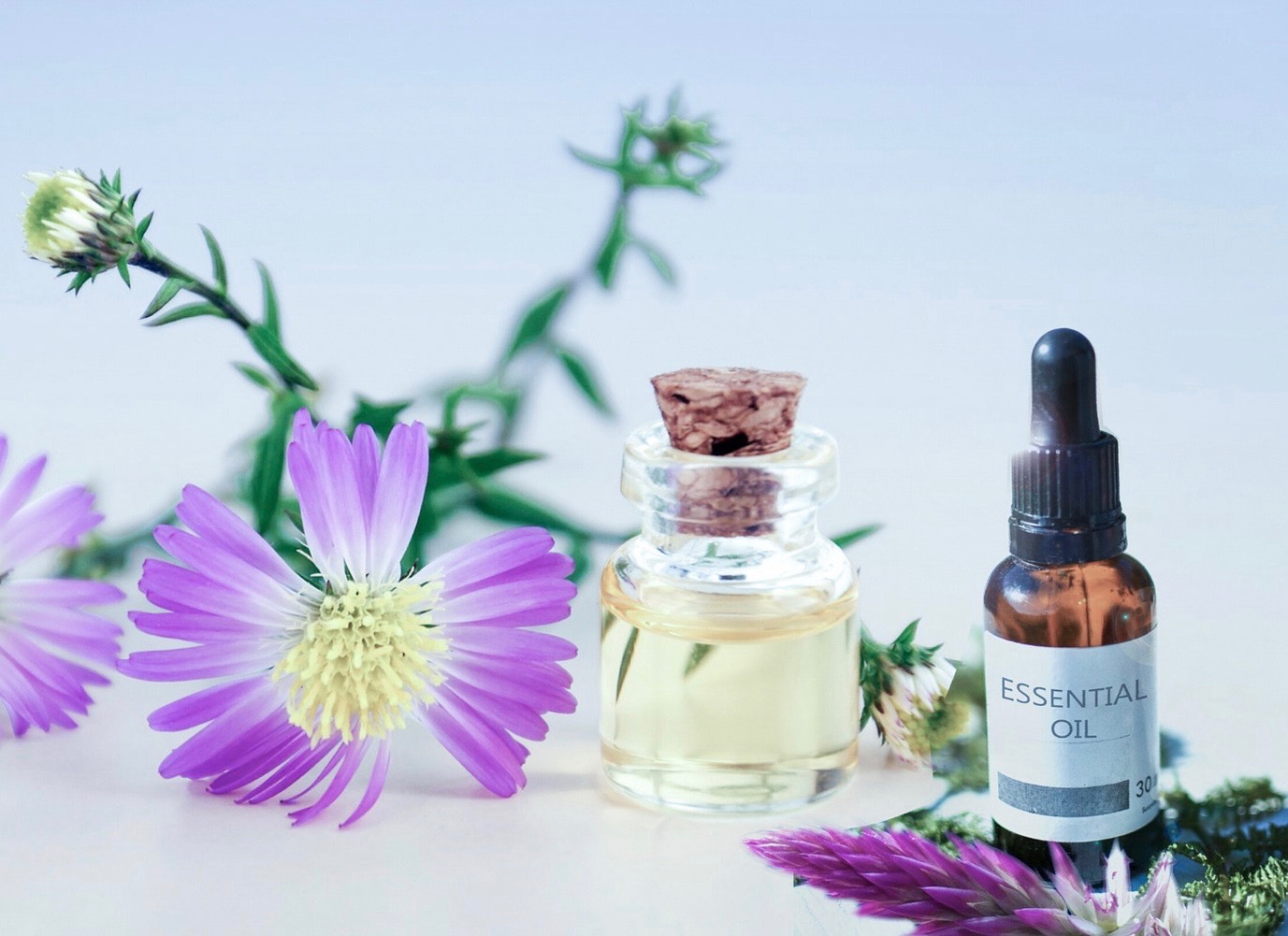
Essential oils

Dys-meno-rrhea.

It comes from the Greek words dys (which means painful, abnormal, or difficult), meno (meaning month) and rrhea (meaning to flow). So, in other words, menstruation that can really hurt.

Relief is Just a Whiff and a Rub Away.

Painful periods decreased to less than 5 on a 10-point scale by massaging the lower abdominal area for 10 minutes with a 3% concentration of geranium (a hormone regulator and balancer), rose (a uterine tonic), and clary sage (anti-spasmodic and analgesic) in one study.

But What is a 3% Concentration?

A 3% dilution is about 20 drops of oil to 1 ounce of carrier. Oh, and by the way, a 5% dilution is about 30 drops to 1 ounce of a carrier, while a 10% dilution is about 60 drops of oil to an ounce of carrier. (And remember, there are 2 tablespoons to an ounce.)

Rose and Lavender.

In a large 8-year study with over 8,000 women, 1 drop of rose and 3 drops of lavender were mixed in 10 ml of a carrier lotion. It helped ease the pain, anxiety and nausea during labor and childbirth, while also enhancing contractions.

But How Much is 10 mL?

It’s about 2 teaspoons or 1/3 ounce, while 2 tablespoons or 1 ounce is the equivalent of 30 ml. Double that and you have 60 ml.

Any Other Oils Good for Cramps?

Yep. Some researchers have also used rosemary, wintergreen, lavender, bergamot, Roman chamomile, clary sage and sweet marjoram. Women applied them to the lower abdomen and lower back every 4 hours as needed.

Be Overly Careful in Pregnancy and Nursing, Please.

Essential oils may interfere with optimal bonding that occurs with mother’s own scent. Also, use on newborns or infants up to three-four months is not recommended as their organs are still developing and skin is quite permeable. And even after that, essential oils should be used at a very low dilution of only 1 to 3 drops in 1 ounce of carrier.

NAHA.

Learn more from the National Association for Holistic Aromatherapy and watch my YouTube video “Relief from Women’s Health Concerns – Just a Whiff Away.”

Category: Uncategorized

O-zoning Out

August 16, 2019 //  by Cindy//  3 Comments

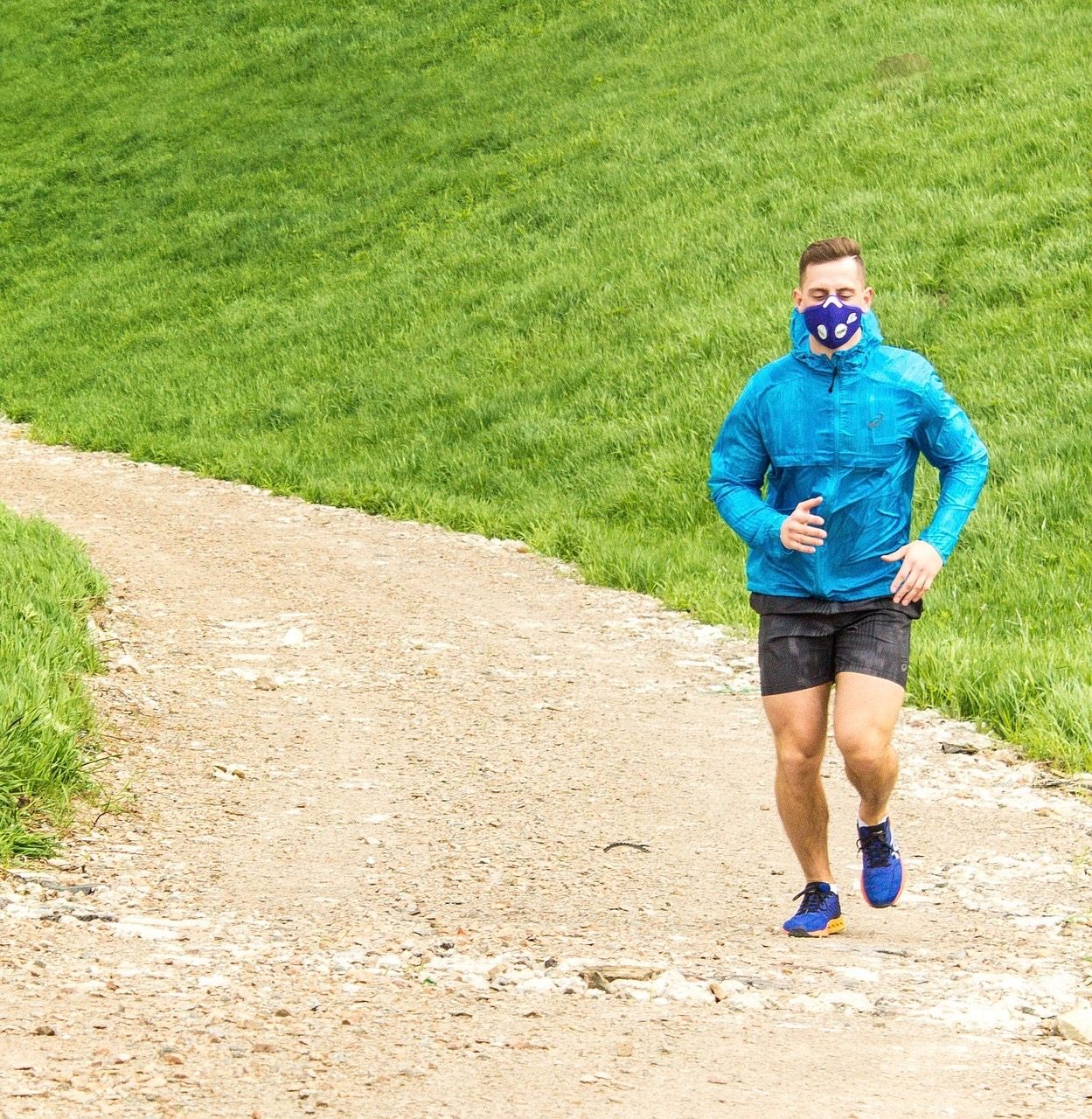
Smog mask runner

Pollution + Heat = Ozone Action.

The Department of Environmental Quality monitors daily air quality. If conditions indicate that the temperature and pollution are high enough, it will create an elevated amount of ground-level ozone.

PM 2.5 is Tiny, but So is PM 10.

Notice on your official Weather Channel app on the “Air Quality” page (scroll down) there is a number and a color. Underneath that is a blue box indicating “see details.” Click on it. Here you’ll see what makes up the pollution in your area.

The human hair measures approximately 50 to 70 micrometers. Particulate matter 2.5 measures 2.5 micrometers. Likewise, PM 10 measures 10 micrometers and you can’t see this type of pollution when you breathe in.

Not Just an Environmental Concern.

It goes without saying that pollutants are not good for our planet. But for people who work or exercise strenuously outdoors or have respiratory conditions, ozone and pollutants can be a threat to their health.

When to Open the Windows.

Check the Weather Channel app frequently throughout the day and be mindful of the air quality. Another valuable resource is AirNow because it gives you a visual of whether or not you should open the windows at home, or exercise outdoors. And you can enter your zip code for up-to-date readings. For a worldwide map of air quality, visit www.pollution.org/.

Wildfires Affect Everyone.

In fact the smoke from wildfires in Alberta, Canada made it all the way to Michigan in May of 2019, affecting our air quality from 1,845 miles away. Smoke is made up of a mixture of VOCs and fine particles. And remember these particles are so small that they can penetrate deep into the lungs and cause a wide range of health problems. The AirNow website also has a link to wildfires across North America. It takes a few minutes to fully load because it’s updated frequently.

Get the Apps.

If you don’t already have them, download the official Weather Channel app and the AirNow app. And take care of your lungs. You need at least one to live.

Category: Uncategorized

Who’s Minding Our Drinking Water?

August 2, 2019 //  by Cindy//  11 Comments

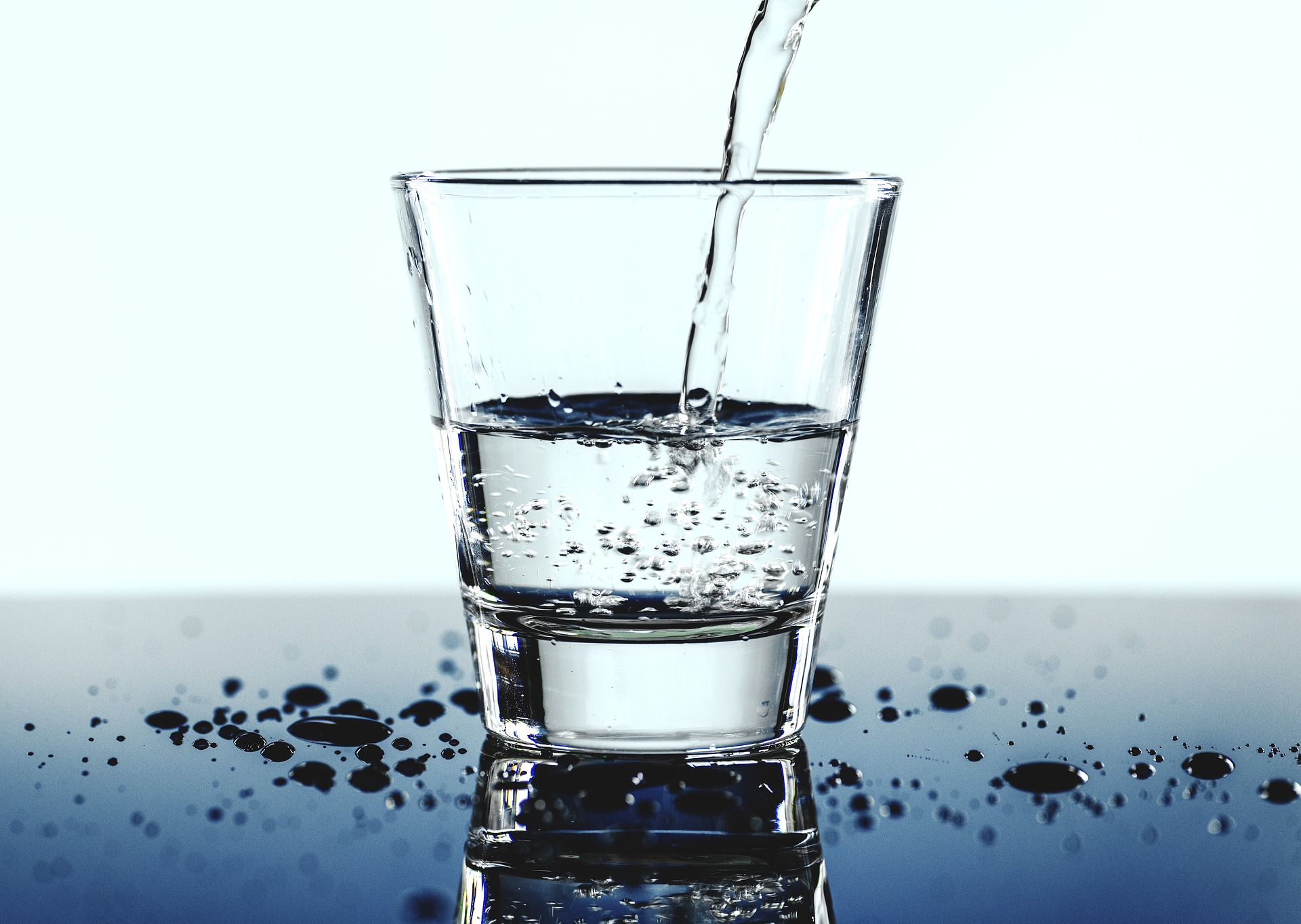
Glass of waterHere’s Where it Gets Interesting.

The EPA oversees water quality in your home, while the FDA ensures the safety of bottled water. But the federal government doesn’t require bottled water to be safer than that from the tap. While larger cities disinfect water and filter it to remove pathogens, or test for giardia & cryptosporidium viruses, bottled water doesn’t even have to be tested!

Doesn’t Have to be Tested, But is It??

The Natural Resources Defense Council shows that roughly 25% of bottled water is merely tap water, sometimes treated and sometimes not.

Where Does Bottled Water Come From?

The Nestlé company has been drawing 250 gallons from the ground in Osceola Township, Michigan for its Icy Mountain brand every minute for more than 15 years. And that’s just one bottling company. Recently, Nestlé requested an increase to 400 gallons per minute.

But is Tap Water Safe?

Funny you should ask. Our beloved watchdogs at the Environmental Working Group have analyzed 30 million State water quality records. With this database you can search the results of where you live by entering your zip code!

What’s in My City’s Water?

According to the EWG database the drinking (and bathing) water where I live shows 4 contaminants detected above health levels, including radiological contaminants. How many contaminants are in the water that you are drinking? Be sure and check.

Maybe We Should Just All Have Water Filters.

EWG thought of that! So, on the website they’ve also included an option to find a water filter that works for your contaminants. Another great resource to find a certified water filtration system for your home is on the National Sanitation Foundation website.

Pass It On.

Share this video on social media. Get people to start talking about the quality of the water that we drink, bathe in, water our gardens with, and wash our children, our pets and our produce with!

Category: Uncategorized

Seafood and Sushi, Eggs and Yogurt

July 29, 2019 //  by Cindy//  1 Comment

plate of sushi

Let’s start with seafood and sushi.

There are 2 things to consider: Our waters are contaminated, and this affects the safety of the fish you are consuming; secondly, due to unsustainable fishing practices we need to make better choices for a healthier ocean when selecting seafood.

For a healthier me, what’s the safest seafood?

The Washington State Department of Health has developed a healthy fish guide. It’s important to note that women of child-bearing age, those who are pregnant or nursing, and young children should limit exposure from the contaminants in fish, including mercury.

What’s best to eat for a healthier ocean?

The Monterey Bay Aquarium Seafood Watch Program evaluates the environmental impact of fishing and farming, so you know which seafood to buy and which to avoid. The seafood guide and the sushi guide are updated every 6 months or so. These guides are also available on the Monterey Bay Aquarium Seafood Watch app, available for both iPhone and Android.

Dairy farms.

Wisconsin lost nearly two dairies a day in 2018, most of them family farms. As factory farm “organic” dairies continue to grow their operations, ethical organic farmers continue to lose their footholds as well. Use Cornucopia’s Dairy Scorecard to choose the best milk, cheese, butter, and other dairy products for your loved ones. Your dollars count! Dairy farmers are in crisis!

Could yogurt makers be misleading us?

They might be, due to the myriad of other added ingredients creating a less healthy food. Cornucopia rated 114 brand and separated yogurt into categories ranging from healthy to avoid. But here is my problem with yogurt. Nearly every brand on the list is packaged in plastic. Today while in Whole Foods I found only 3 brands that weren’t: Siggi’s, Icelandic Provisions and Forager. What does your grocery store carry in non-plastic packaging?

Lastly, our eggs?

Cornucopia rates organic eggs on a scale of 1 to 5, and also shows if the chickens have access to the outdoors for a cleaner, greener life! The top egg? TreeBird Organics in Trout Lake, Washington!

Category: Uncategorized

Plastic Coffee

June 30, 2019 //  by Cindy//  3 Comments

people sitting on a couch drinking coffee

Is Bad for the Environment.

Right from the start, I knew coffee pods were a bad idea for the health of our environment, and once I learned more about the chemicals used in manufacturing plastic it became even more apparent that coffee pods are also bad for the health of humans.

Starting Your Day with Hot Chemicals.

When the coffee maker heats the water quickly to a high temperature it enhances the migration of plastic chemicals from the coffee maker into the water. Then the hot water continues through the plastic coffee pod, enhancing a second migration of various chemicals, and then you drink them.

Add a Straw and Creamer.

Phthalates, BPA and PCBs are some of the chemicals used in the manufacturing of plastic. If you are in a hotel or restaurant you may even be stirring your hot chemical slurry with a small plastic stir stick, followed by opening a small plastic container of creamer and adding that to the mix.

Fatty Foods Can Also Enhance Migration.

Yes, that’s right – your fatty creamer has been soaking up plastic chemicals while waiting to be added to your morning chemical brew because fatty substances, along with heat, have also been shown to enhance the migration of chemicals from plastic containers into food or liquids.

Another Chemical in the Cup?

Styrene, one of the many chemicals used to create Styrofoam, is classified by the International Agency for Research on Cancer as a known mutagen (something that causes genetic mutation) and a possible human carcinogen. Sigh. It’s time to move away from our morning chemicals!

Make the Switch.

Get a glass or stainless-steel coffee maker. Try a French press. Try an old-fashioned percolator. Try a pour-over coffee maker. Anything but plastic. And then get a stainless steel, insulated coffee cup to use when you fill up at the local coffee shop for take-out. More than likely they will even give you a discount for bringing in your own cup!

Category: Uncategorized

Lathering Bodies with Chemical Slurries

May 30, 2019 //  by Cindy//  3 Comments

We Need to Wake Up.

The European Union has either restricted or completely banned more than 1,300 chemicals used in personal care products. In the US? Only eleven. The Guardian reports “The pendulum has swung in an extreme way and it’s really going to take a general awakening by the public.”

Poisoning Our Young Girls.

In March of 2019, the FDA advised consumers to stop using several cosmetic products from the popular Tween-aged shop, Claire’s. Three products tested contained tremolite asbestos. Apparently, approval of personal care products is not required by the FDA before being sold yet the Federal Food, Drug, and Cosmetic Act has not been updated since its enactment in 1938!

Hormones in Adolescence and Pregnancy.

Phthalate chemicals help lotion penetrate the skin. They also bring durability and flexibility to things made from plastic, like shower curtains. They keep fragrances from fading. And they can also disrupt our delicate hormonal balance. Messing with an adolescent’s hormonal balance is certainly not advisable, nor is it safe during pregnancy or nursing!

Make the Switch.

What’s encouraging is switching to low-chemical personal care products has been shown to cut blood levels of certain substances in just three days, and there are several resources to help you check the safety of ingredients and choose safer personal care products:

• Skin Deep database by the Environmental Working Group
• Made Safe’s Hazard List of Chemicals, Materials & Ingredients
• Campaign for Safe Cosmetics

And while you’re at it, check out Hugh & Grace. They have developed the first of its kind, hormone-safe self-care products.

Scanning Barcodes While Shopping.

Download these apps to scan as you shop!
• Think Dirty, Shop Clean (Campaign for Safe Cosmetics)
• Healthy Living (Environmental Working Group)

Category: Uncategorized

Summer Bummers: Preventing Burns & Bug Bites

May 30, 2019 //  by Cindy//  Leave a Comment

Sunscreen is Killing the Coral.

Scientists believe some of the chemicals found in sunscreens have a negative impact on corals. Those chemicals? Oxybenzone and octinoxate. Both Hawaii and Florida’s Key West have banned sunscreens with these two ingredients (found in nearly 75% of U.S. sunscreens).

Messing With Our Hormones.

So, okay, they hurt the coral but what about hurting you and your family? Scientists also believe that these two chemicals can have a negative impact on the endocrine system of animals and humans. That means they can mess with your hormonal balance.

Not-so-“safe” Levels in our Bodies.

Research showed the levels of chemicals in sunscreen far exceeded what is known as “safe” limits on the first day of the study and that oxybenzone reached the threshold within two hours after a single application — exceeding limits on day seven of the study! Oh, and by the way this chemical is also found in breast milk samples, along with many other sunscreen ingredients.

Mosquitoes, Ticks, and Fleas Oh My.

The Centers for Disease Control evaluated data from the EPA and information published in peer-reviewed scientific literature. Products containing Oil of Lemon Eucalyptus were shown to sufficiently help people reduce mosquito bites. Oil of Lemon Eucalyptus also provided protection time similar to low concentration DEET products!

Make the Switch.

How safe is your bug repellent? Our friends at the Environmental Working Group are in the process of updating their 2019 guide, but the 2018 website still has great information.

The 2019 Guide to Sunscreens is, however, now available from EWG. You can also download the Healthy Living app and simply scan the barcode of any sunscreen OR bug repellant you want to purchase to instantly find its safety profile.

Category: Uncategorized

Tracking in Chemicals on Our Shoes

May 30, 2019 //  by Cindy//  2 Comments

More than Dirt On Our Shoes.

74% of households in the US use an average of 3 to 4 different pesticides per home, with residues found even on surfaces that have never been treated. So how does that happen? First, think of workers in occupations involving the use of chemicals or construction sites. They are more likely to carry them into the home on their shoes. But do you home garden?

Still in the Soil a Year Later.

Chemicals commonly used on lawns and in gardens also get tracked into the home on shoes and can be detected in bodies of both adults and children. While the half-life of most lawn herbicides is 5 weeks, they can still be detected in soil 1 year after treatment.

Plants as a Natural Pesticide.

When trying to avoid chemical pesticides, TreeHugger highlights 9 herbal plants that can not only help to repel insects, but can also be harvested to use in the kitchen when cooking. By including plantings of parsley, sage, rosemary, thyme, basil, chives, dill, mint and oregano, one can fend off moths, flies, beetles, worms, ants, and more. TreeHugger even suggests where and where not to place the natural plant repellant.

Limited on Gardening Space.

Maybe you don’t have room for 9 additional plants. That’s okay. If you are looking for alternatives to pesticides, fungicides, herbicides, insecticides and fertilizer, your search begins at Beyond Pesticides for a list of products compatible with landscape management.

Alternatives to Chemicals Inside the Home.

Time to make the switch. Garden’s Alive offers environmentally responsible products that work. And they are very inexpensive. I discovered the company’s products 23 years ago when I had a mealy moth infestation in my pantry. Their small cardboard “tent” was nothing more than a dry adhesive lining the tent with a pheromone lure to attract them. When the moths entered, they stuck to the wall. I’ve also used similar products for cellar spiders in the basement. Check them out: gardensalive.com.

Category: Uncategorized

  • « Go to Previous Page
  • Page 1
  • Page 2
  • Page 3
  • Page 4
  • Page 5
  • Go to Next Page »
  • Speaking
  • Book
  • Services
  • Cindy’s Story
  • Blog
  • Contact
twitter icon facebook icon
©2026 Cindy Klement
Website by Ellanyze

Copyright © 2026 Cindy Klement - Empowering Audiences to Minimize Toxin Exposure · All Rights Reserved · Powered by Mai Theme